Tychy is a city shaped by transformation. What began as a small agricultural settlement became one of Upper Silesia’s most distinctive planned cities, combining centuries-old traditions with modern industry, transport links and green spaces.
Located south of Katowice, Tychy is today known for two things that have strongly influenced its identity: the historic Tyskie brewing tradition and its important role in Poland’s automotive industry.
With a population approaching 130,000, the city continues to balance its industrial character with a reputation as a comfortable place to live.
From Rural Settlement to Local Trading Point
The first written records of Tychy date back to 1467, when it was noted as a settlement along the important route connecting Oświęcim and Mikołów.
The origin of the city’s name is linked to the Polish word cichy, meaning “quiet” or “still”. For centuries, this description matched the character of the settlement, which remained a small community focused mainly on agriculture and local trade.
Although Tychy would later become an important industrial centre, its early identity was connected to the surrounding countryside and the rhythms of rural life.
The Brewing Tradition That Shaped Tychy
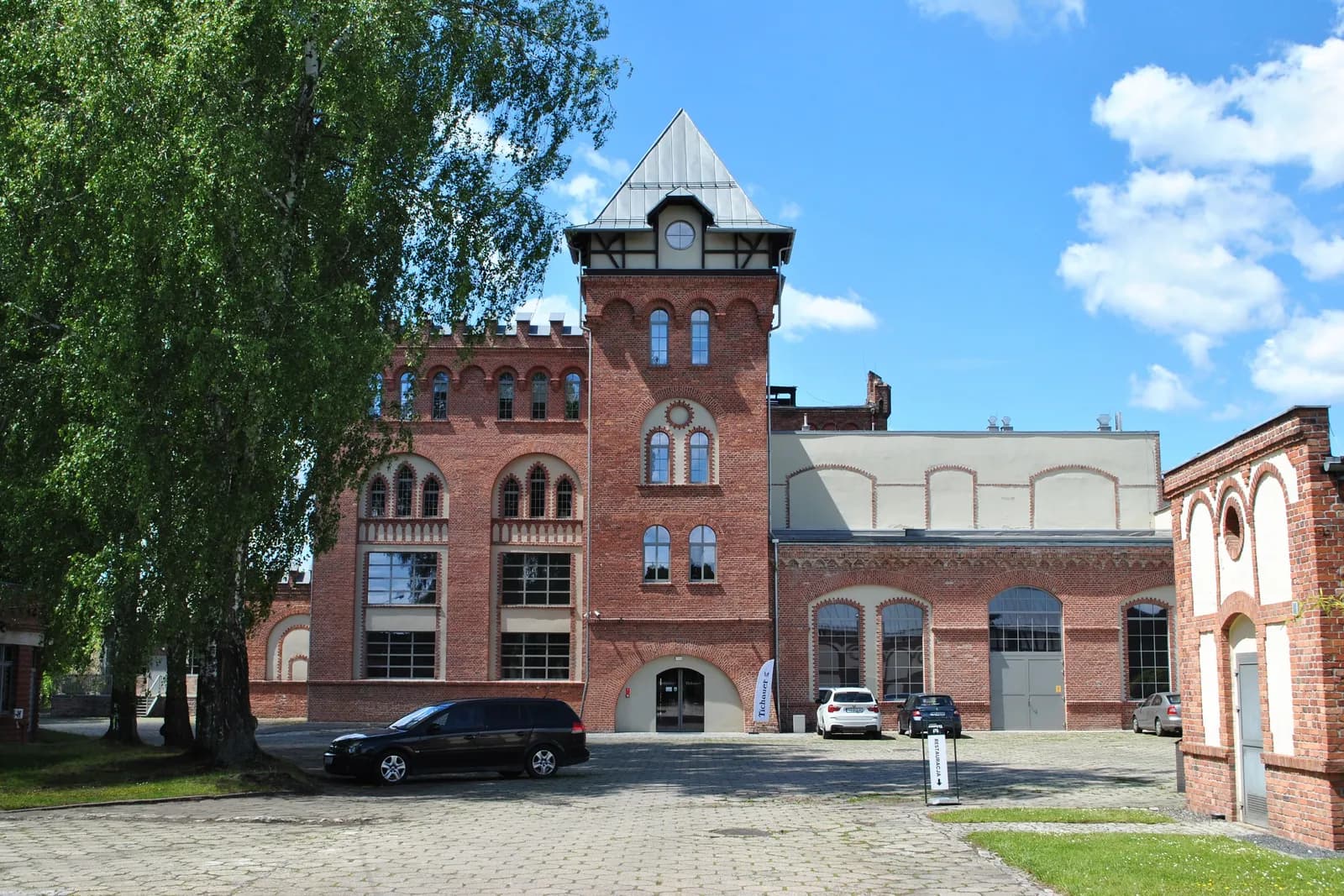
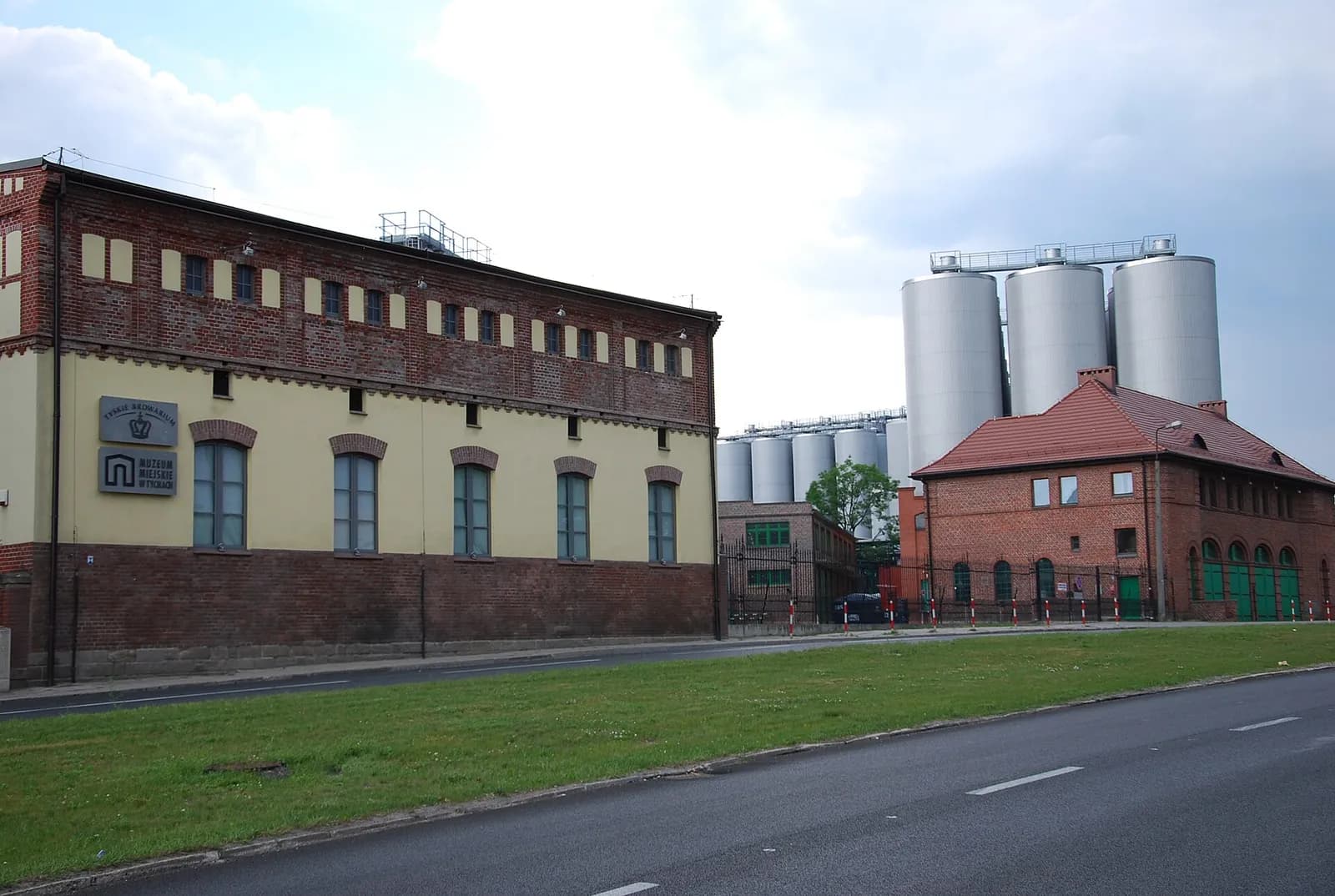
A major turning point came in 1629 with the establishment of the Książęcy Brewery, now widely known as the Tyskie Brewery.
Brewing became one of the foundations of Tychy’s development. The brewery created employment, attracted workers and helped establish the city’s reputation beyond the local region.
Today, Tyskie remains one of Poland’s best-known beer brands, and the brewing tradition continues to form an important part of the city’s cultural identity.
The brewery is not only an industrial site but also a reminder of the long relationship between Tychy’s past and present.
The Birth of a Planned Industrial City
For much of its history, Tychy remained a relatively small settlement. Major change came after the Second World War.
Following the political and economic changes of the post-war period, Tychy was selected for significant urban expansion. In 1950, the city was designated for rapid development as part of socialist-era planning policies aimed at creating new housing and industrial centres for the growing Upper Silesian workforce.
Tychy officially received city rights in 1951, beginning a new chapter in its history.
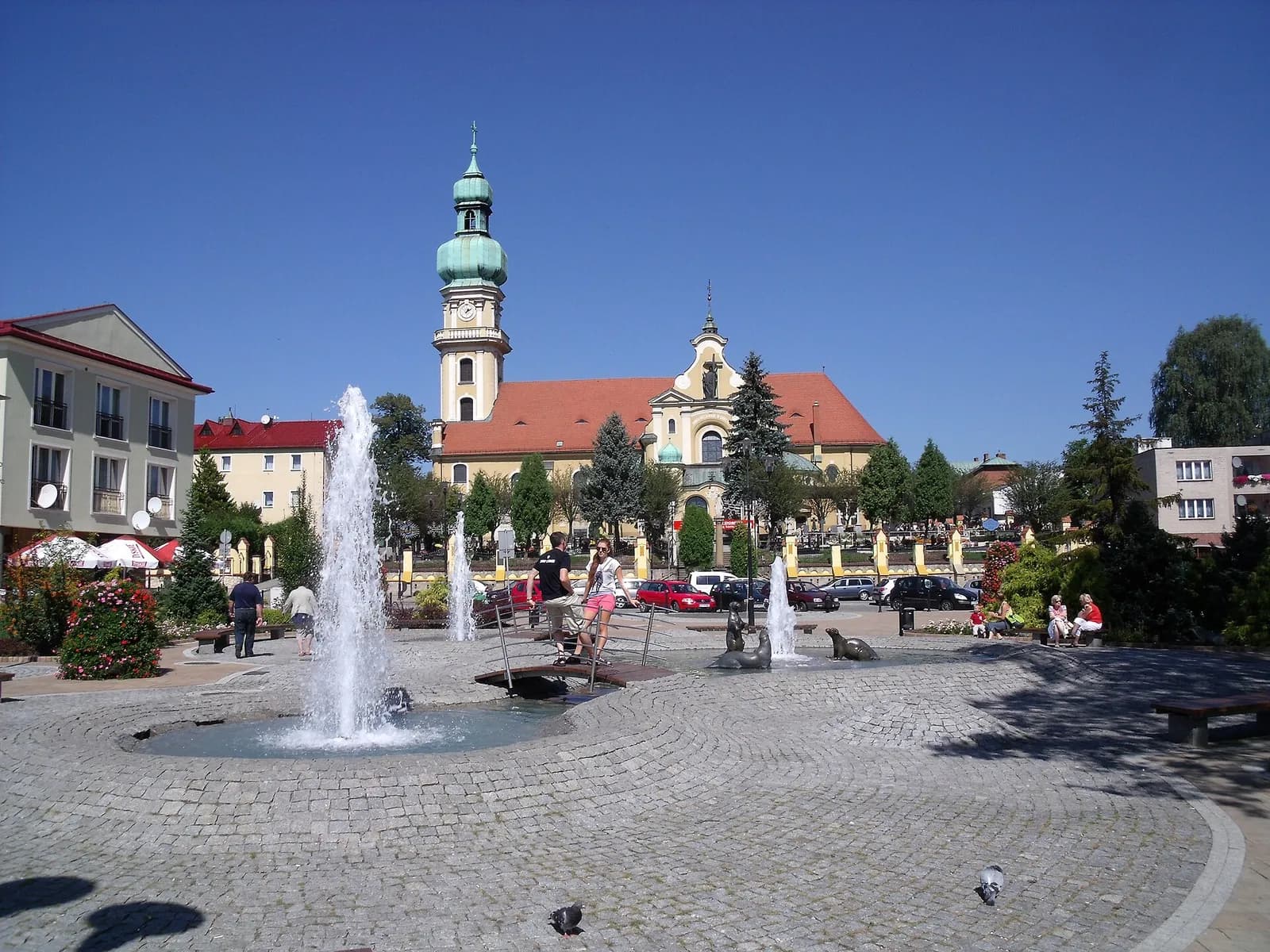
Unlike many older Silesian cities that developed gradually around medieval centres and industrial districts, Tychy was designed as a modern planned city. New residential areas, public spaces and infrastructure were created to support a growing population.
Industry and the Rise of Automotive Manufacturing
Industry has remained central to Tychy’s economy.
While brewing played an early role in the city’s development, manufacturing later became increasingly important. The growth of automotive production transformed Tychy into one of Poland’s significant car manufacturing locations.
The city’s industrial base continues to provide employment and contributes to the wider economy of Upper Silesia.
Tychy’s location, close to Katowice and connected to the wider metropolitan region, has helped strengthen its position as both a place of work and a residential centre.
A Green City in the Heart of Silesia
Despite its industrial reputation, Tychy is also known for its green character.
Around a quarter of the city’s area is covered by forests, while parks, recreational areas and nearby natural spaces provide residents with opportunities for leisure and outdoor activities.
The city also offers cultural and sporting attractions, including the stadium of professional ice hockey club GKS Tychy and local museums that explore the area’s heritage.
The nearby lake and recreational areas add another dimension to the city’s identity, creating a balance between urban life and access to nature.
Living in Tychy Today
Modern Tychy reflects the wider story of Upper Silesia: a region where tradition and innovation exist side by side.
Residents benefit from the city’s connection to larger urban centres such as Katowice while enjoying a more spacious environment with extensive green areas.
The city’s brewing heritage, industrial workforce and planned urban design all contribute to its unique character.
A City Built on Change
Tychy’s history is a story of gradual transformation. From a quiet village to a brewery town, and later to a planned industrial and automotive centre, the city has repeatedly adapted to changing times.
Today, Tychy represents a different vision of Silesian urban life: a city that respects its industrial roots while creating space for modern living, recreation and future development.